
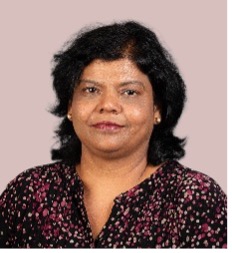
Jolly Upadhyaya, PhD
Program Director MSIT, Department of Computer and Data Sciences Merrimack College
Dr. Jolly Upadhyaya is a computer scientist and educator with over 20 years of experience in Computer Science and Information Technology across India and the United States. She currently serves as Program Director and Professor at Merrimack College, where she leads curriculum development in Cybersecurity, Artificial Intelligence, and Information Technology. Her expertise spans Cybersecurity, AI, Cloud Computing, and IT systems, with contributions to federally funded projects, international research, and K–12 to graduate-level education. She has played a key role in developing innovative curricula, advancing workforce development initiatives, and promoting cybersecurity awareness and education. Dr. Upadhyaya holds a Ph.D. in Computer Science and has published research in reputed journals and IEEE conferences. She is actively engaged in academic leadership, industry collaboration, and global initiatives focused on cybersecurity and emerging technologies.
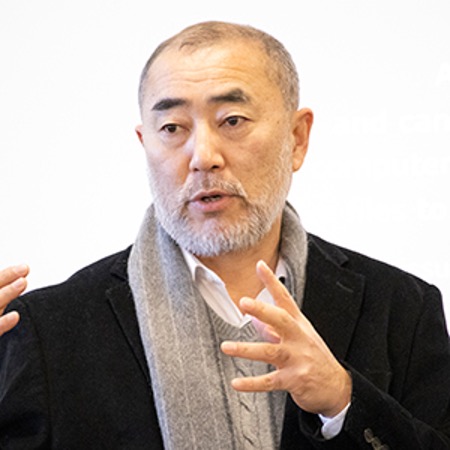
Kyungseok Choo (K.C), PhD
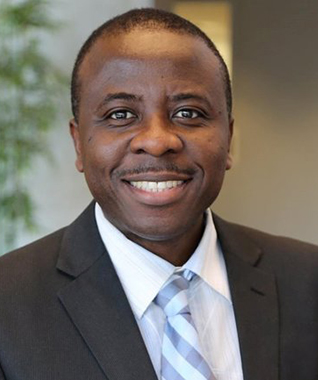
Joseph K. Assan, PhD
Joseph K. Assan is a Professor and director of the Sustainable International Development Program at the Heller School for Social Policy and Management, Brandeis University. He is also the director of the Sustainability, Resiliency, and Cyber Innovation Division at the Center for Global Development and Sustainability at the Heller School, Brandeis University. Joseph was an Assistant Professor of Development Practice at Trinity College Dublin, where he acted as the Associate Director of the Master's in Development Practice Program. Prior to this, Dr. Joseph Assan served as the Director of the International Development Program at the University of Liverpool. Joseph’s expertise and interests range from the impact of Cyber technologies on the nature and future of work, livelihood security in an era of Cyber insecurity and AI, political economy cyber insecurity, AI risks, employment security and AI, resiliency, and the application of new cyber technologies. He has published extensively on sustainable livelihoods, exploitative employment, and livelihood development. He has organized and spoken at several academic and policy conferences, including on Capitol Hill, discussing policy strategies for growth, livelihood security, and reducing poverty and inequality.

Leon Deligiannidis, Ph.D
Professor, School of Computing and Data Science, Wentworth Institute of Technology
Dr. Leonidas Deligiannidis is a Professor of Computer Science at Wentworth Institute of Technology in Boston, MA. His foundation in Computer Science was first established when he earned his B.S. from Northeastern University College of Computer Science. He then went on to obtain two advanced degrees in the field from Tufts University. He has been active in the field since then, investigating subjects like Security Surveillance, Brain Computer Interfaces, Business-oriented Visualizations, AI, and STEM Education. He has also served in industrial positions outside the scope of his academic work, using his acumen for several companies. His industry experience includes both entrepreneur startups in healthcare and high-tech networking companies. He has received multiple awards for his efforts, including multiple Achievement Awards for his contributions to Imaging Science by the World Congress in Computer Science, Computer Engineering, and Applied Computing, IEEE best paper awards, as well as a University Presidential award for his scholarly achievements. In addition, he has served as a referee for many journals in computer science and is a member of the program and organizing committees for notable conferences in his field. Dr. Deligiannidis teaches courses such as Security, Operating Systems, Quantum Computing for Security, System/Network Administration, Senior Design. Dr. Deligiannidis is the editor of the Journal of Supercomputing: Section of Quantum Computing.

Dalibor Dolezal, PhD
Associate Professor, University of Zagreb, Faculty of Education and Rehabilitation Sciences, Dept. of Criminology, Campus Borongaj, Borongajska Zagreb, Croatia

Ruby Kodom, MPhil
Lecturer at the University of Ghana, Legon
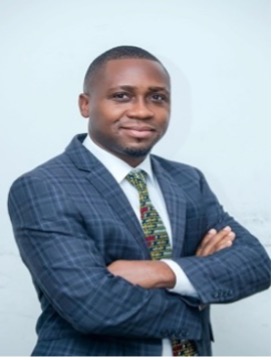
Simon-Peter Kafui Aheto, PhD
Dr. Simon-Peter Kafui Aheto, Esq., is the Deputy Director (Programmes) for the Digital Youth Village and Centre for Digital Youth Development at the University of Ghana. He is an Associate Professor of Information Technology and Education, a Lawyer, and a Youth Development practitioner, and coordinates International Programmes at the College of Education in the same university. Kafui Aheto is a facilitator with the Africa Centre of Excellence on Technology Enhanced Learning (ACETEL), National Open University, Nigeria (NOUN), Nigeria. His research interests include rhizomatic learning, digital justice, learning analytics, social network analysis, open and distance learning, educational law, entrepreneurship education, and youth development. He was the Lead researcher for UNESCO’s Internet Universality Indicators Assessment on Ghana. He was also the co-researcher for Ghana on the World Health Organisation and Horizon Institute (Leeds University) Health Systems for Health Security Global Challenge Crucible Project. He consults for the UNFPA on the Youth Leaders Programme in Ghana. Kafui Aheto is the consultant for the African Union Young Professionals Programme (YPP) harmonisation. He led the School-Based Gender Violence (SBGV) project for OXFAM and Women in Law and Development in Africa (WiLDAF) in Ghana.

Olivia A. T. Frimpong Kwapong, PhD
Dean of the School of Continuing and Distance Education and Director of the Digital Youth Village/Centre for Digital Youth Development, University of Ghana.
Professor Olivia Adwoa Tiwaah Frimpong Kwapong (PhD) is a distinguished scholar and educator who has made significant contributions to the fields of adult education, gender studies, and development communication. A Professor at the University of Ghana, she holds expertise in open and distance learning, with a strong commitment to expanding educational opportunities for marginalized individuals and communities. Her work focuses on empowering women and youth through lifelong learning and promoting innovative approaches to inclusive education. Professor Kwapong has published extensively in her areas of specialization and has served in various academic leadership roles both locally and internationally. Through her research, advocacy, and teaching, she continues to influence policy and practice in higher education and community development in Ghana and beyond.
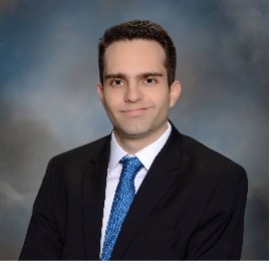
Eduardo Kreimerman Meyohas, J.D (Esq.)
Licensed to Practice in New York | Juris Doctor
Eduardo is an attorney admitted to practice law in New York, and holds a J.D. from Syracuse University College of Law. He also holds a B.Sc. in Hospitality Management (Endicott College), a Diploma in International Hotel Management (Les Roches Switzerland), and a Certificate of Legal Studies in Hospitality Law and Practice (American University Washington College of Law). Originally from Mexico City, Eduardo has international experience in hospitality, banking & finance, corporate & financial crime compliance, and real estate law. His research on anti-money laundering, bank secrecy, and tax law issues has been published in academic and professional journals. Most recently, Eduardo served as Chief Legal & Compliance Officer at a fintech company, managing cross-border legal, regulatory compliance, anti-money laundering/financing of terrorism, and corporate governance matters in the U.S. and Mexico. Eduardo is a member of the New York State Bar Association and is a Certified Anti-Money Laundering Specialist (CAMS).
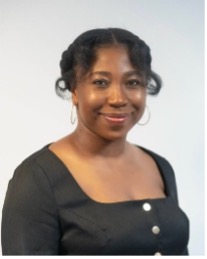
Ophelia Delali Akoto, PhD
She holds a PhD in Social Policy from Brandies University. Her research interests include Women’s Economic and Labor Force Development, STEM Education Policy Research, Cybersecurity and AI policy and livelihood security. She brings a strong interdisciplinary foundation to her work, holding a BA in Business Management and Entrepreneurship from Henderson State University, an MBA from the University of Central Arkansas, and a Master of Public Service from the University of Arkansas Clinton School of Public Service. Ophelia has contributed to international development projects with USAID and Catholic Relief Services (CRS). Additionally, Ophelia worked as a research and evaluation fellow at Vital Voices Global Partnership in Washington, D.C., where she examined the impact of COVID-19 on women across the organization’s global network. She also served as a researcher for the Newport Economic Development Committee, where she investigated barriers preventing women from participating in the local labor force in Newport, Arkansas. Adept in program development and field research across multiple sectors, Ophelia’s expertise include Education and labor force development, AI policy, data analysis, and policy evaluation. She is committed to applying evidence-based, community-informed policy solutions that create meaningful and sustainable impact.
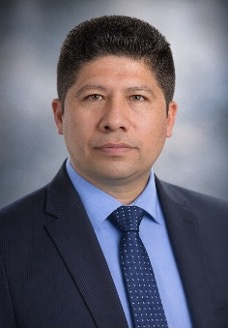
JHON JAIRO ARELLANO ROSERO, MA

Tomas Sierra
Specialist in Security
Tomas has 31 years of experience in management, leadership, guidance, and control for risk mitigation, prevention, intelligence, cybersecurity. international standards legislation. security, anticipation, Development of security protocols and strategies in accordance technical and current Implementation of public policies, using models that coordinate and promote collaboration between the public and private sectors.
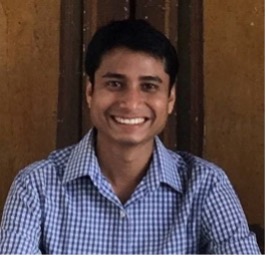
Abdullah Al Mamun, MA
Data and Policy Analyst at the National Research Council Canada, PhD candidate in International Development and Global Studies, University of Ottawa.
Abdullah Al Mamun is a Data and Policy Analyst at the National Research Council Canada and a PhD candidate in International Development and Global Studies at the University of Ottawa. His research lies at the intersection of development studies, data analytics, and emerging digital risks, with a growing focus on cybersecurity and artificial intelligence in low- and middle-income country contexts. His recent work examines cybersecurity awareness, cyberbullying, and digital vulnerabilities among university students in Bangladesh, with particular attention to gender and rural–urban disparities. This research reflects a broader interest in understanding how cyber insecurity and the misuse of digital technologies—including AI-enabled risks—shape the well-being, safety, and social inclusion of youth populations. Alongside this, his doctoral research focuses on multidimensional poverty measurement and policy evaluation, where he applies advanced statistical and econometric methods to develop context-sensitive poverty metrics. With over 15 years of professional experience across Asia and North America, Mamun has contributed to monitoring and evaluation systems, large-scale surveys, and data-driven policy decision-making frameworks. His work increasingly bridges development policy with digital risk analysis, aiming to inform more inclusive, evidence-based responses to the evolving challenges posed by cybersecurity threats and AI misuse in educational and social environments.

Zach Kissel, PhD
Associate Professor, Department of Computer and Data Sciences
Dr. Zachary Kissel is an associate professor of Computer Science at Merrimack College. Dr. Kissel's work is centered around computing with encrypted values and the applications of cryptography to privacy. His work has focused on the problems of searching on encrypted data, redactable signatures, secure machine learning with a focus on Federated Learning, and private information retrieval.
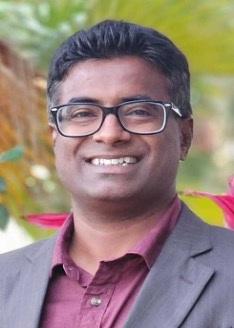
Kiran Gundrai, MSc
Kiran Gundrai completed a Bachelor of Electrical and Electronics in 2002 from Nagarjuna University, India, and a post-graduate program in AI and ML from the University of Texas, Austin in 2021, and a Master of Science in Data Science from Eastern University, Philadelphia, USA, in 2024. Kiran has extensive experience of over 20 + years working in Digital & Analytics Product Implementations at multiple Fortune 500 companies, HSBC, Corning Inc., CSX Railroad, WCG Inc., Disney, MVW and Oportun Inc. Currently, he works full time at HCL America and consulting for Dollar General, key areas of work include Data Analytics, Business Intelligence Product implementation, Machine Learning, Cyber Security and AI embedded applications. Kiran has presented multiple international paper sin AI and ML research Industry applications and drove multimillion dollar Technology transformations for various Organizations in US and India.
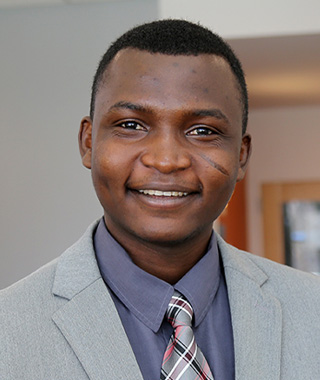
Isaac Konlan, MA
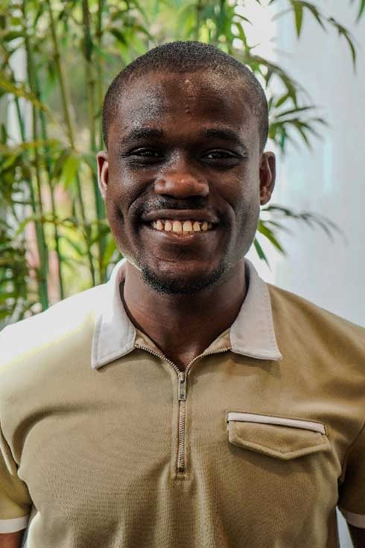
Ebenezer Kwapong, MA
Ebenezer Kwapong is a graduate student in the Sustainable International Development program at the Heller School for Social Policy and Management, and a Research Communications Intern at the Lurie Institute for Disability Policy. He is interested in conducting research that examines the impact of cyber technologies and AI on small businesses, institutions, and the livelihoods of the youth in developing economies and societies. Before coming to Heller, he served as the Communications Specialist & Administrative Coordinator at Future of Africa, an organization dedicated to empowering children and youth experiencing child poverty with skills to realize their potential. Ebenezer holds a BA in Economics and Finance from the University of Ghana, Legon.
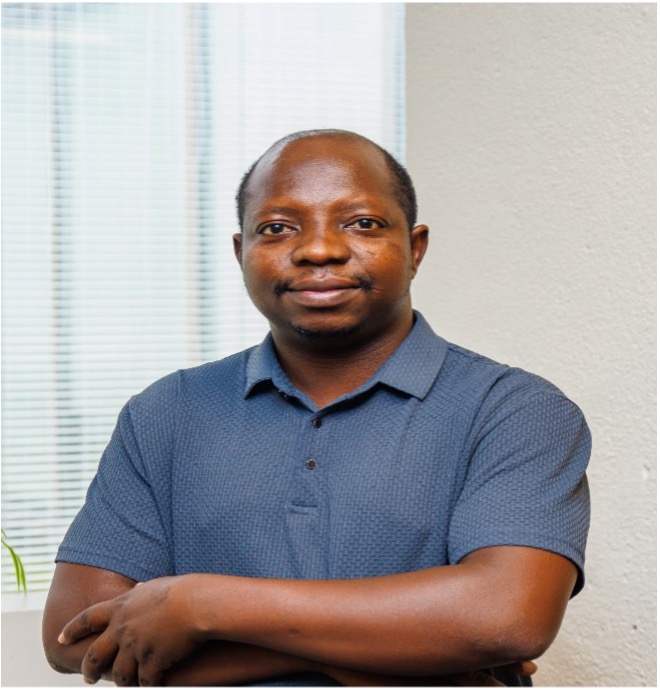
Joshua Konlan, CEMBA
Joshua Konlan is an experienced project management specialist in Microfinance and SME Development, Monitoring of Designed Projects, Research, and Agribusiness-related projects. His research focuses on Policy development in an inclusive workforce in the age of cybersecurity. He is interested in examining the challenges and opportunities of AI for current and next-generation MSMEs in Africa. He has worked on several projects for CDC Consult and its allied NGO RUFINLIT, and TaVTI including GoG/Unicef SanMark programme; Ghana Commercial Agricultural Project (GCAP); Women’s Innovation for Sustainable Enterprises (WISE) project; Women Economic Empowerment (Wee-North) Project; Market Assessment on business opportunity identification in Selected Locations in Ghana; Baseline Survey on Gender and Agriculture in Selected Ecological Zones in Ghana; Microinsurance Demand Side Survey; Financial Literacy Sensitization of Designated Target Group Baseline Survey. He holds a Commonwealth Executive Master of Business Administration (CEMBA) from Kwame Nkrumah University of Science and Technology and a BSc. in Accounting and Finance from the University for Development Studies (UDS) School of Business and Law (UDS SBL). Currently, Joshua is pursuing an MA in Global Sustainability Policy and Management at Brandeis University, with a strong interest in sustainable finance and development, climate and environmental protection, institutional strengthening, and impact-driven program delivery.

Hedwige Masambagawinyi, MA
Hedwige Masambagawinyi is a graduate student studying MA Global Sustainability Policy and Management at the Heller School for Social Policy and Management at Brandeis University. Prior to joining Heller, she worked with an NGO dedicated to promoting human rights and improving the welfare of women and children in Uganda. She is an evolving development practitioner with few years of experience in project planning and management in grassroots and refugees related settings and has academic interests in the intersectionality of mental health and wellbeing, social inclusion and international development.
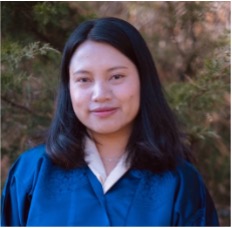
Pem Dem, MA
Pem Dem is a Research Officer at the Center for Bhutan and Gross National Happiness (GNH) Studies in Bhutan. Pem joined the Center for Bhutan and GNH Studies in January 2020, and she is responsible for organizing international conferences, eminent lecture series, and seminars at the Center for Bhutan and GNH Studies. Pem is also responsible for administering the nationwide GNH surveys in Bhutan, conducted every five years, which inform the government’s five-year planning strategy. She is currently pursuing an MA in Global Sustainability Policy and Management at the Heller School for Social Policy and Management, Brandeis University. Her research interests include sustainability, climate change, community development, and GNH. Her Native language is Dzongkha, and she is fluent in English.

Davaajargal Sukhbaatar, MA
Davaajargal Sukhbaatar is a results-driven project management professional with extensive experience in project management, policy support, and international development initiatives. With a strong track record of managing projects from inception to completion, Davaajargal has worked across diverse sectors public health, governance, infrastructure, and economic development. She is currently pursuing a Master of Arts in Global Sustainability Policy and Management at Brandeis University’s Heller School for Social Policy and Management. Davaajargal continues to deepen expertise in sustainable development and development policy. This academic work builds on a Bachelor of Arts in International Economic Relations from the National University of Mongolia. Earlier in her career, Davaajargal contributed to projects with organizations such as the World Bank, USAID, and the Millennium Challenge Account, supporting project management, assessment, and policy analysis. This work provided a strong foundation in international development practices and stakeholder engagement. Passionate about sustainable and inclusive development, Davaajargal is committed to advancing policies and programs that bring long-term social and economic impacts.

Rebecca Azenga
Rebecca Azenga is a Master’s student in Global Sustainability Policy and Management at the Heller School for Social Policy and Management at Brandeis University. She is a sustainable finance professional, researcher, and social impact advocate with over a decade of experience in financial markets, policy engagement, and community-centered development initiatives across Africa and the United States. Her academic and professional work explores the intersection of sustainability, inclusive economic systems, technology governance, and social resilience. Rebecca’s research interests include cyber insecurity, digital equity, sustainable development policy, and the role of ethical finance in strengthening vulnerable communities. She is particularly interested in how emerging technologies and cybersecurity challenges affect social inclusion, institutional trust, and sustainable futures in developing and developed economies alike. Rebecca is also a mentor and public speaker whose work advances inclusive policy innovation, equity, community empowerment, and sustainable social impact