
Sexual and Reproductive Health of Adolescents and Young Adults
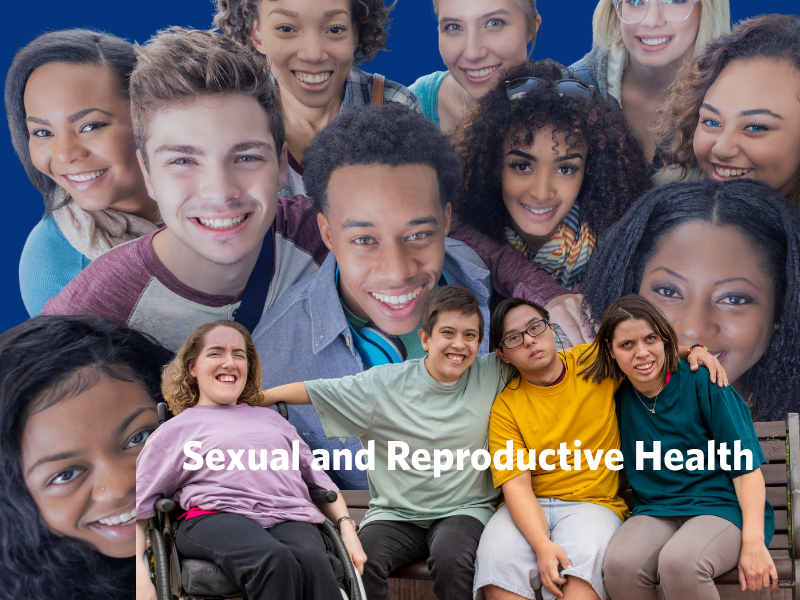
The Lurie Institute for Disability Policy conducts research and engagement on the sexual and reproductive health (SRH) of adolescents and young adults with disabilities. On this page, you will find our SRH research and initiatives summarized and grouped into handy categories.
Click on a category to go directly to that section:
- Grant funding for research on the SRH of adolescents and young adults with disabilities
- Research studies we are conducting on the SRH of adolescents and young adults with disabilities
- Events
- Publications
- ??

Addressing Sexual and Reproductive Health Care Disparities and Barriers among Adolescents and Young Adults with Disabilities
The Lurie Institute for Disability Policy is developing an innovative intervention in collaboration with adolescents and young adults (AYA) with disabilities. The intervention is an accessible, multi-media educational toolkit to address identified barriers and unmet needs. Research for this project is funded by the Eunice Kennedy Shriver National Institute of Child Health & Human Development of the National Institutes of Health.
This mixed-methods study examines sexual and reproductive health (SRH) and healthcare utilization as well as SRH-related unmet needs among transition-age adolescents and young adults with disabilities in the United States, both overall and by disability type. Research on SRH and receipt of SRH-related health care among AYA with disabilities remains limited.
Scant evidence informs our understanding of the reproductive healthcare needs of both young women and men with disabilities by disability type and there is no research on reproductive healthcare service utilization across the breadth of this diverse population. This project develops information from national survey data, interviews with AYA with disabilities, and interviews with parents of AYA with disabilities. Our analyses establish a foundation for development and pilot testing of a tailored intervention to improve SRH care and outcomes for AYA with disabilities, ages 15–26.
****FOR MORE INFORMATION****
Other Research Conducted Under Our Grant
1. The Lurie Institute is doing a study about what young people with disabilities consider important for their sexual health. The research phase of this study has been completed and evaluation of results is underway.
In this study, we also wanted to learn how their family, doctor, school, and/or community can help them take care of their sexual health and if there were things that made it difficult or easy for them to get sexual health services. We interviewed young people between the ages of 15 and 25 years old who have a disability and who live in and were born in the United States.
We plan to use what we learn in the interviews to make a website that will teach teens and young adults with disabilities about taking good care of their sexual health.

2. The Lurie Institue is conducting another research study to learn about parents’ and caregivers’ opinions on the barriers that young people with disabilities ages 15-25 years old face in getting sexual and reproductive health information and services. The interview phase of this research has been completed. We interviewed people who were a parent, grandparent, sibling, or other family member, legal guardian, or caregiver of a young person with a disability who is between 15 and 25 years old and who were themselves 18 years or older and live in the United States.
ADD:
Events [We can include the Carrie Buck events -- what else??]
Other research projects? (but pages taken down)
Publications
- List (too long) / could provide a selection
Events
Carrie Buck Fellowship
The Lurie Institute established the Carrie Buck Distinguished Fellowship, in conjunction with support from the Ford Foundation, to honor the memory of Carrie Buck, the subject of the infamous 1927 Buck v. Bell U.S. Supreme Court decision permitting the involuntary 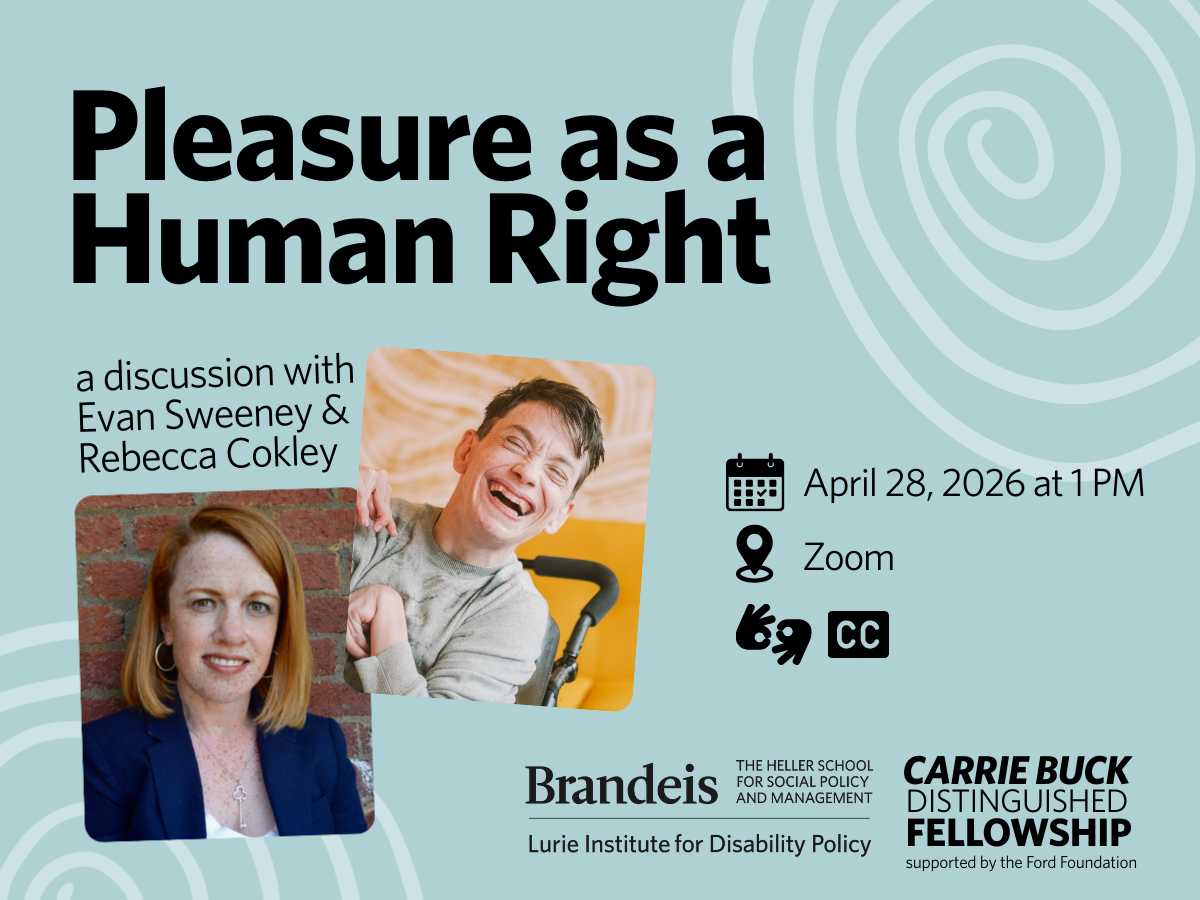 sterilization of people with disabilities. Since 2023, the Lurie Institute has each year selected a fellow whose work exemplifies the rejection and dismantling of systemic ableism in reproductive-health policy. Our fellows are selected by an advisory board from among activists, independent scholars, and community organizers.
Three out of four of our fellows work or have worked in the area of reproductive and/or sex education. Access more information about—including the keynote conversations that each held with the Ford Foundation's Rebecca Cokley—our Carrie Buck fellows:
Robin Wilson-Beattie (2024 fellow)
Webinars
Reproductive Health and Perinatal Care Needs of People with Intellectual Disabilities
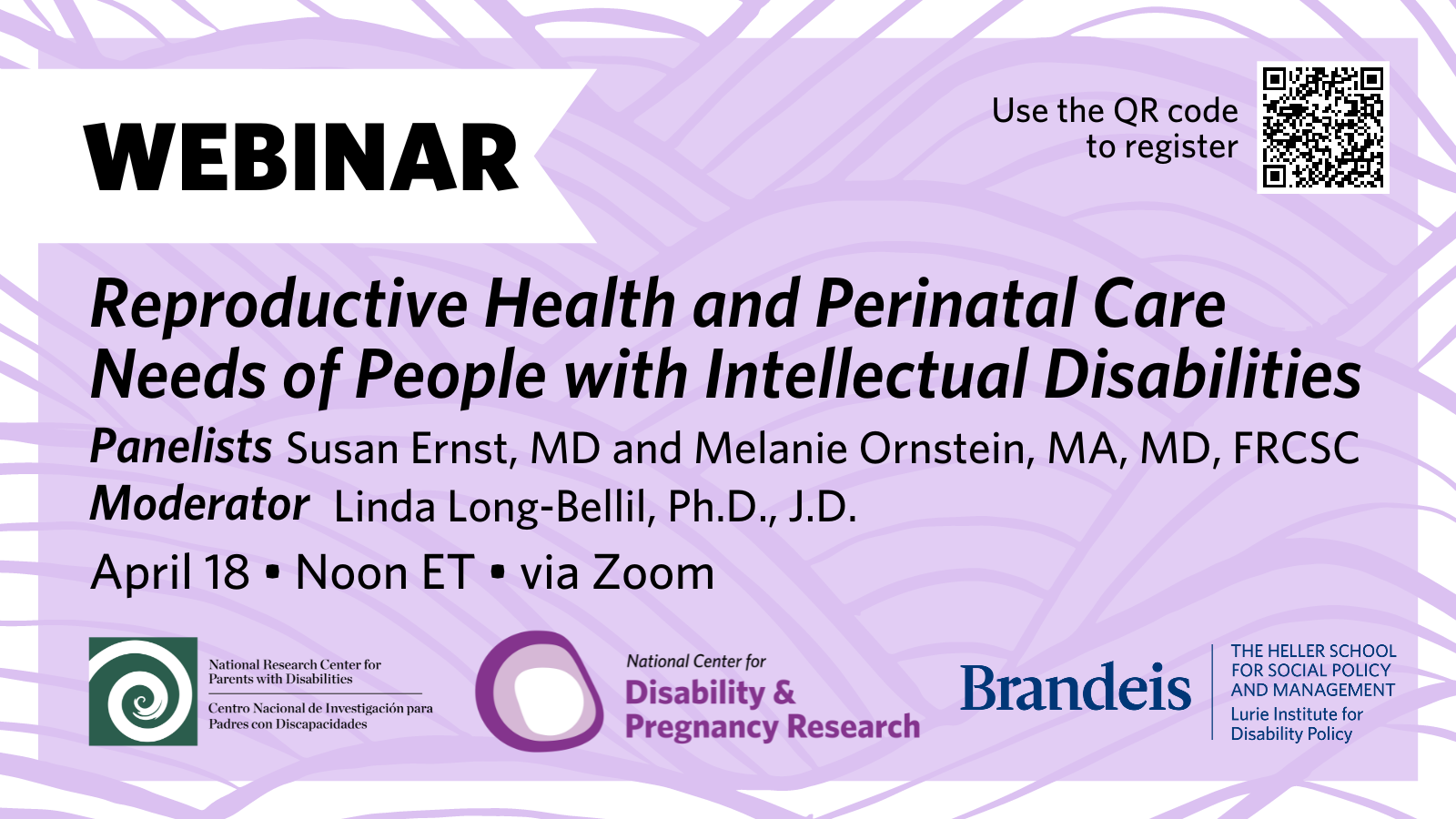 Many clinicians have little experience caring for people with intellectual disabilities (ID), particularly in addressing their needs regarding reproductive health and pregnancy. In this webinar, Drs. Susan Ernst and Melanie Ornstein described the reproductive health and perinatal care needs of people with ID. They discussed how to approach issues such as communication, preconception counseling, and specific considerations for pregnancy, labor and delivery and postpartum care.
??
Publications
Search our Publications on Sexual and Reproductive Health
--