

Focus of the Concentration
Substance use and mental health problems affect 1 in 2 people over their lifetimes, and are associated with a multitude of adverse consequences, at the individual, health care, social service and societal levels. Prevention and treatment services are available, but access, quality and outcomes can still be improved. The Behavioral Health concentration particularly seeks students with interest in systems of care to address mental health, substance use and other health behaviors. We want to build strong researchers and policymakers, and bring a focus on collaborating with real-world partners and informing practitioners, policymakers, researchers and other stakeholders.
The Behavioral Health Concentration emphasizes health services research, a multidisciplinary field of applied research that seeks to improve the effectiveness, efficiency and equity of services designed to reduce the public health burden of alcohol, drugs, mental illness and other behaviors across the lifespan. The goal is to improve systems for prevention and treatment services, enhance quality, and reduce the adverse consequences, to develop knowledge that can improve people’s lives and affect structural change, particularly for marginalized populations. Our training examines how social factors, financing systems, service environments, organizational structures and processes, health technologies, and personal beliefs and behaviors affect access to, delivery of and utilization of services, their quality and cost, and our health and well-being.
Training Fellowship
Support for doctoral training is available through the Heller School or a grant from the National Institute for Alcoholism and Alcohol Abuse (NIAAA).
All students in this concentration are advised by faculty and benefit from the research of the Institute for Behavioral Health, Schneider Institutes for Health Policy and Research. The Institute for Behavioral Health examines the intersection of health, behavior and systems of care in order to promote healthier lifestyles and assist individuals in developing behaviors that lead to better health.
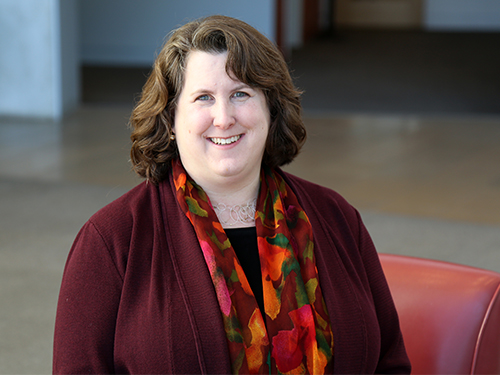
Sharon Reif, PhD'02, Deputy Director, NIAAA Training Fellowship
Professor Reif conducts health services research focused on the substance use treatment system, including medications for treating addiction; systems approaches to improve treatment; access to and quality of care; policies; the intersection of substance use disorders with other disabilities; and outcomes and recovery from addiction.
Required Concentration Courses
Sample Dissertations
- Cecilia Flores-Rodriquez, 2021. “Flexing on ‘em: Exploring Inequities in Breastfeeding, Postpartum Depression, and Perceived Discrimination in Latinas by Street Race and Afro-Latinidad.”
- Corrine Holliday-Stocking, 2021. “The Mental Health Help-Seeking Behaviors of College Students with Disabilities.”
- Alexandra Kritikos, 2021. "Dose of Reality: Who Are Medical Cannabis Patients? Essays on Purchasing Patterns and Alcohol Consumption among Users in New York State."
- Ruslan Nikitin, 2021. “Egocentric Social Networks, Type 2 Diabetes and Unhealthy Alcohol Consumption Among Middle-Aged and Older Adults: Exploring the Effects of Structure, Composition, and Quality of Social Ties.”
-
Kathleen Dennehy Fay, 2020. “Voices Carry: A Constructionist Analysis of How Stakeholders’ Claimsmaking Shaped Federal Regulations to End Prison Rape.”
-
Morgan Shields, 2020. “Holding Inpatient Psychiatry Accountable.”